Exploring the World of Three-Dimensional Games: Tips, Design Secrets, and the Future of Immersive Gaming
Have you ever found yourself completely entranced in a world of three-dimensional games, where each element feels so real you can almost reach out and touch it? Isn't it fascinating how far we've come in game design, where the boundaries of reality are pushed further with each new title? As immersive gaming evolves, understanding the secrets behind stunning 3D game design and development becomes essential for anyone interested in game creation, whether you're a budding indie developer or an aspiring game programmer. Let's dive into the intriguing world of 3D animation and explore the magic that transforms computer games into interactive entertainment.
When you think about game design, what comes to mind? Beautiful graphics, engaging gameplay mechanics, or maybe the thrill of multiplayer games? Perhaps it's the innovative gaming technology that keeps players on their toes, ensuring a fresh experience with each venture into the digital realm. At the foundation of all these elements lies the art of 3D modeling. This technique is crucial in the overall aesthetics and functionality of playable video games. Have you ever marveled at how a computer game can seamlessly transport you to another universe? This transformation is all thanks to the skilled artists and developers who understand the intricate balance between creativity and programming.
Let’s not overlook the importance of storytelling in the realm of game development. Strong narrative threads serve as the backbone for the most memorable experiences in gaming. Imagine battling your way through a fantasy world, not just for the sake of scores but to save your virtual friends or uncover deeper themes relevant to real life. Designers have the power to craft intricate tales that captivate players, encouraging them to reflect and engage emotionally. So, how can aspiring creators harness the power of narrative? By studying successful game reviews and understanding the elements that hit home with audiences, you can begin to formulate your own dynamic storylines that resonate.
But what if you're a game design novice, still trying to wrap your mind around the basics? Fear not! There are countless gaming articles devoted to crafting engaging gameplay mechanics, and many online communities ready to support you with gaming tips. Having a solid foundation in 3D animation and game programming opens up a world of possibilities. One often overlooked aspect is iterative design—just like any art form, creating a game is a process of tweaking and refining, ensuring that each level feels right for the player. Think about it: how long did you spend tweaking your character before venturing out into the game world?
As we look ahead to the future, it's clear that the landscape of immersive gaming will continually evolve through advancements in virtual reality games and gaming technology. This means new opportunities for creators who are eager to push the limits of not only what's possible in gameplay but what truly makes interactive entertainment unforgettable. Choosing to immerse themselves in 3D game design and development allows aspiring creators to shape the future of gaming, engage with audiences in ways previously unimagined, and perhaps even leave a lasting legacy in the industry. So, are you ready to unlock these secrets and start shaping your own gaming universe?
A Deep Dive into Immersive Gaming: Trends, Tips, and Technology
In the rapidly evolving realm of immersive gaming, the lines between reality and virtual experiences blur, inviting players into realms once only dreamt of. When we think of three-dimensional games, we envision vivid landscapes teeming with life and interactions that feel almost tangible. The rise of 3D animation makes these experiences rich and engaging, while innovative gameplay mechanics ensure that every moment is filled with wonder. Have you ever pondered how far we've come in game creation, transforming pixels into an ever-deepening narrative void? Let’s embark on this journey and explore the latest trends, tips, and technologies shaping the future of gaming.
As we dive into the world of immersive gaming, it's clear that technology has become a substantial ally. The advent of virtual reality games has opened doors to experiences that transport players to other realms. Imagine exploring an ancient civilization, defending your kingdom in real-time, or even soaring through the stars—all from the comfort of your home. This is not just a future fantasy; it's the present. With gaming technology advancing rapidly, developers can create multifaceted worlds that captivate and enthrall. So, what does this mean for players looking for unforgettable dabblings into interactive entertainment?
For aspiring developers and enthusiasts alike, understanding game design is crucial. It's not merely about crafting playable video games; it's about creating experiences that resonate emotionally with players. A good game review will often touch on the emotional impact of gameplay, highlighting how design choices contribute to or detract from the overall experience. Therefore, studying successful 3D modeling and game programming fundamentals can provide invaluable insights. So, what steps can indie games creators take to level up their productions? Start small, learn the ropes, and focus on storytelling—because an engaging narrative is often what keeps players coming back for more.
Moreover, multiplayer games have transformed the landscape of gaming. Previously, it was about the solo journey; now, collaborative experiences lead to shared narratives and friendships forged through challenges. As gaming articles often discuss, the social aspect of gaming enriches the gameplay experience. Isn’t it fascinating how traditions evolve, with friends gathering virtually to face off against formidable foes or solve complex puzzles together? This connectedness is a game-changer, underscoring the importance of community in interactive entertainment.
Lastly, as we look to the horizon for the future of immersive gaming, it's prudent to stay informed. With the rise of new technologies and shifting player expectations, understanding trends is fundamental. Gaming tips become essential tools in a developer's arsenal. Whether through attending conferences, participating in forums, or simply reading up on the latest gaming articles, staying engaged ensures that creators remain attuned to what players desire. In a world where digital gaming technology continues to innovate, the journey is just beginning. Will you take the plunge into this exciting frontier of game creation? The world of immersive gaming awaits!
The Future of Playable Video Games: Exploring VR and Multiplayer Innovations
In the vibrant landscape of digital entertainment, the future of playable video games is an exhilarating frontier. As technology ushers in more immersive experiences, we find ourselves standing at the threshold of extraordinary possibilities. The rise of three-dimensional games, particularly in the realms of virtual reality and multiplayer innovations, is reshaping how we engage with interactive entertainment. The question emerges: How will these advancements transform our gaming experiences?
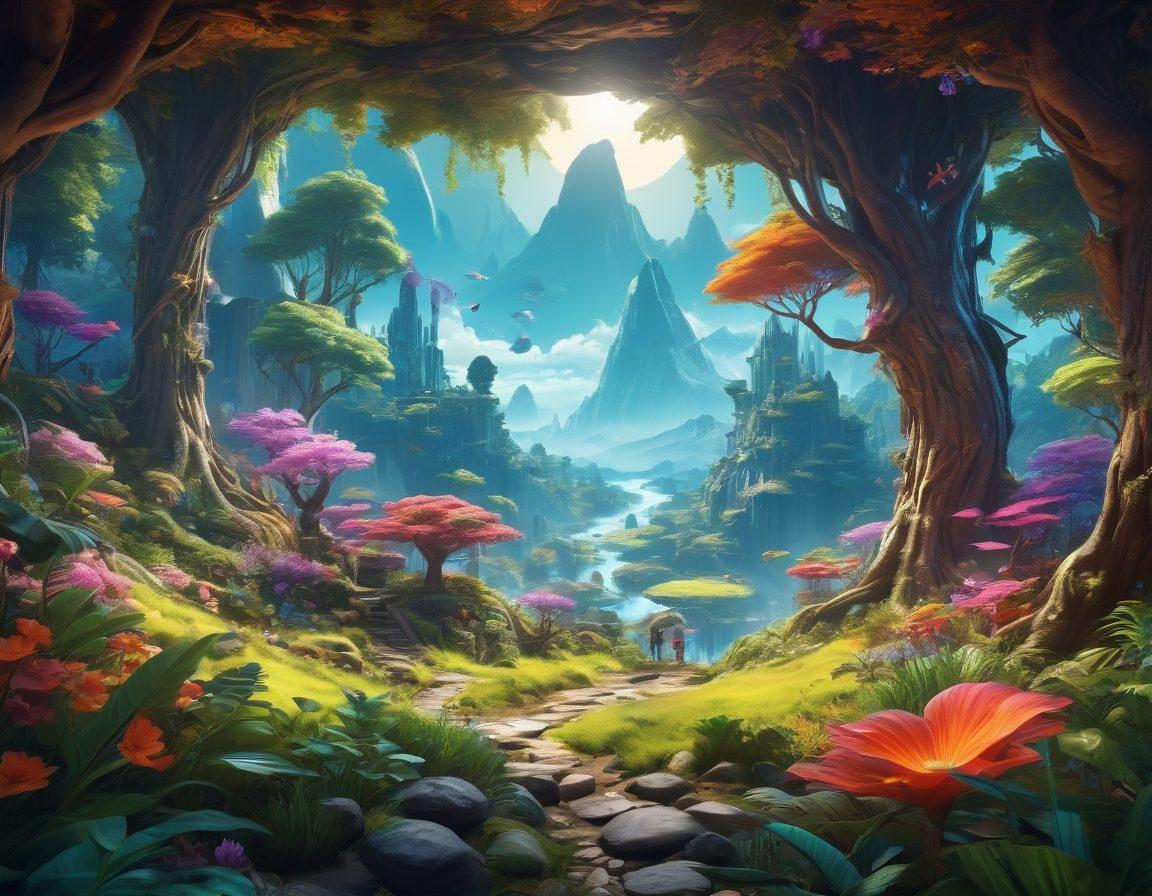
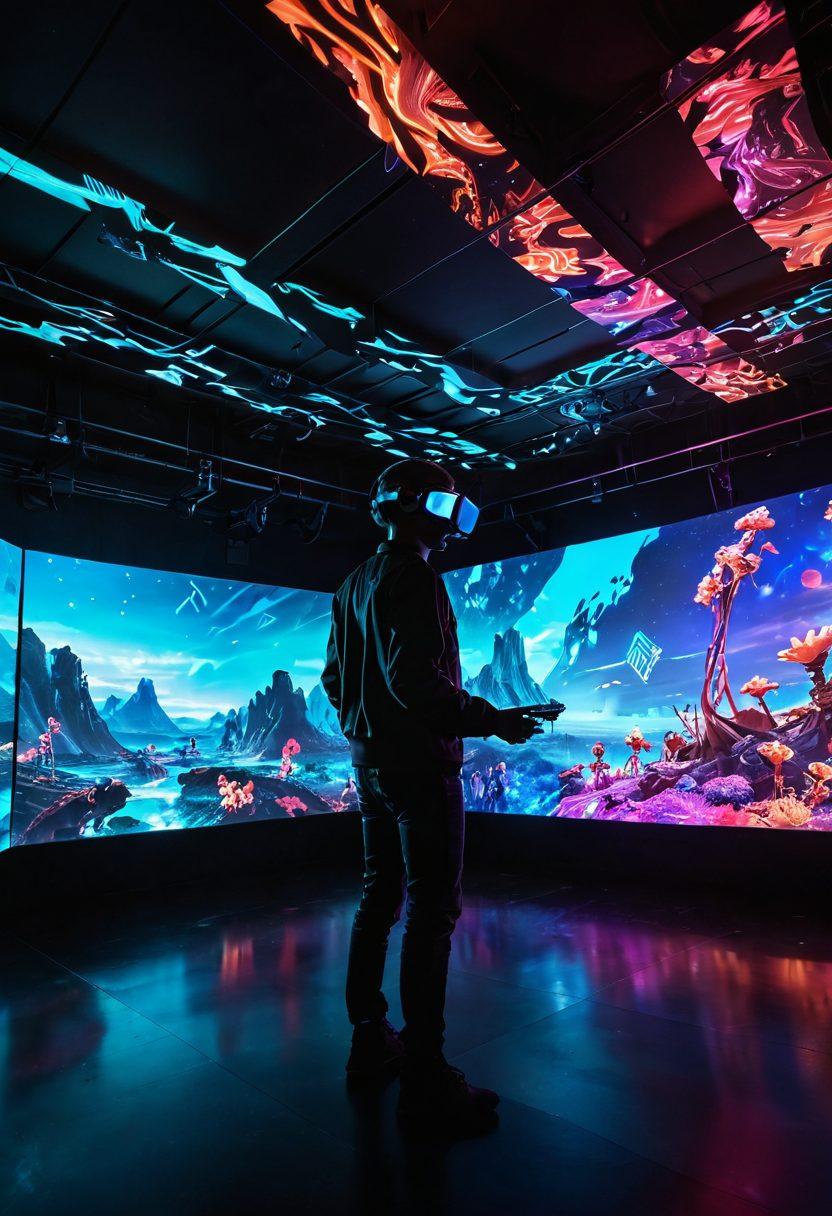
Imagine donning a headset and being transported to a fantastical world where you can literally move through space and engage with characters and environments in ways never possible before. This is the promise of virtual reality games. Think of the thrill of exploring a lush jungle, solving puzzles alongside friends in real time—a shared adventure made possible through innovative game design. Just as 3D modeling has revolutionized how artists describe their visions, so too has VR turned the traditional gaming experience on its head, offering tantalizing gameplay mechanics that immerse players in every event unfold.
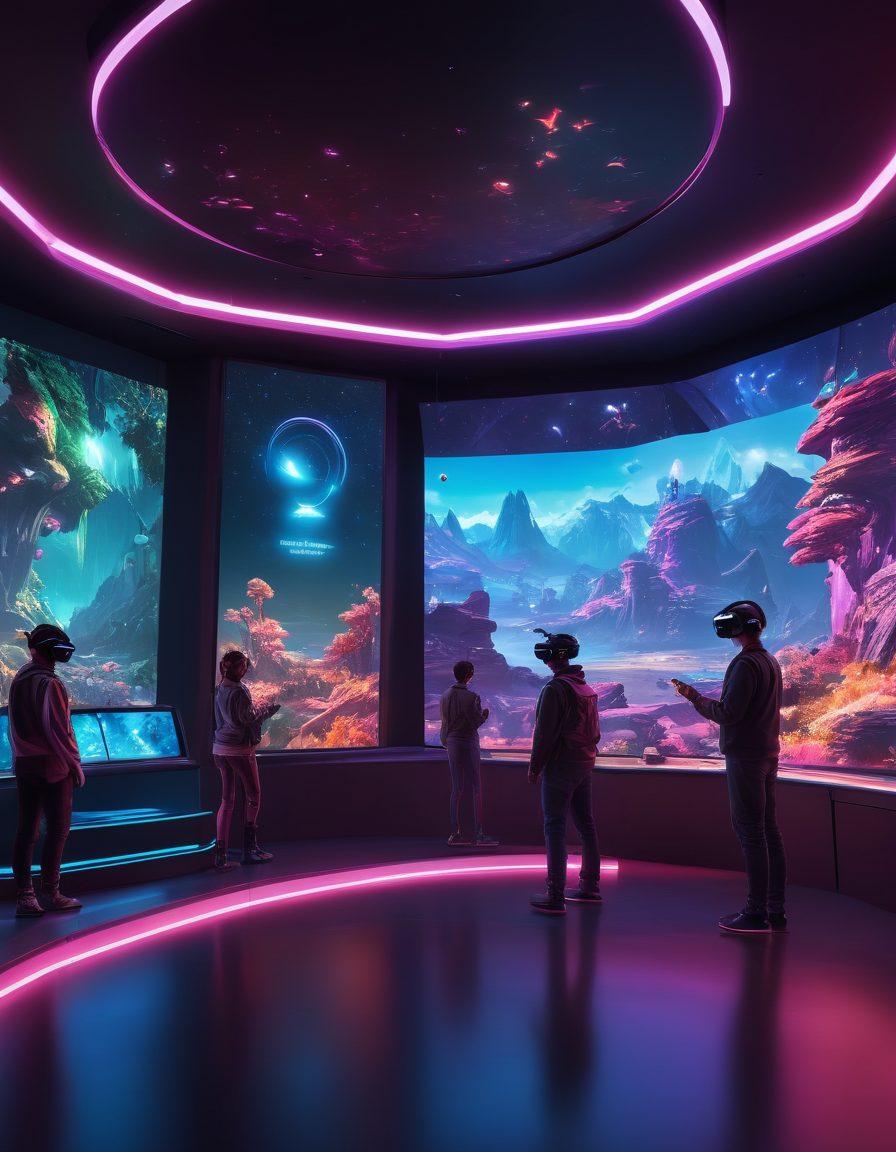
As we explore the future of multiplayer games, it’s clear that the dynamics of collaboration and competition are enhancing the social aspect of gaming. We’ve all heard stories of friendships forged online, gaming nights filled with laughter, and sometimes heated rivalries that span continents. In this vibrant community, gamers can connect and collaborate regardless of their physical location. How can indie games adapt to this rapidly evolving environment? By focusing on unique gameplay mechanics and leveraging innovative game programming, indie developers can create experiences that resonate deeply with players.
Every exciting new trend brings with it a set of challenges. For aspiring game creators, understanding the balance between collaboration and individual creativity is essential when designing multiplayer games. Engaging content and enjoyable mechanics are crucial, but so is creating a space for players to express themselves. Frequent gaming articles dissecting the future of gaming technology can serve as invaluable resources for designers looking to improve their craft. Are you ready to embark on this journey of exploration within the gaming industry?
In conclusion, the future of playable video games is brimming with potential, driven by advancements in gaming technology and a commitment to creating engaging gameplay. Armed with gaming tips and insights from game reviews, both players and developers can navigate this ever-changing landscape. Whether you are delving into the realms of 3D animation or exploring the intricacies of game publishing, one thing is clear: the future is interactive, connected, and most importantly, filled with limitless imagination. So, put on your headset and get ready for the adventure ahead!